

Essential Vitamins and Nutrients for Children's Growth and Development
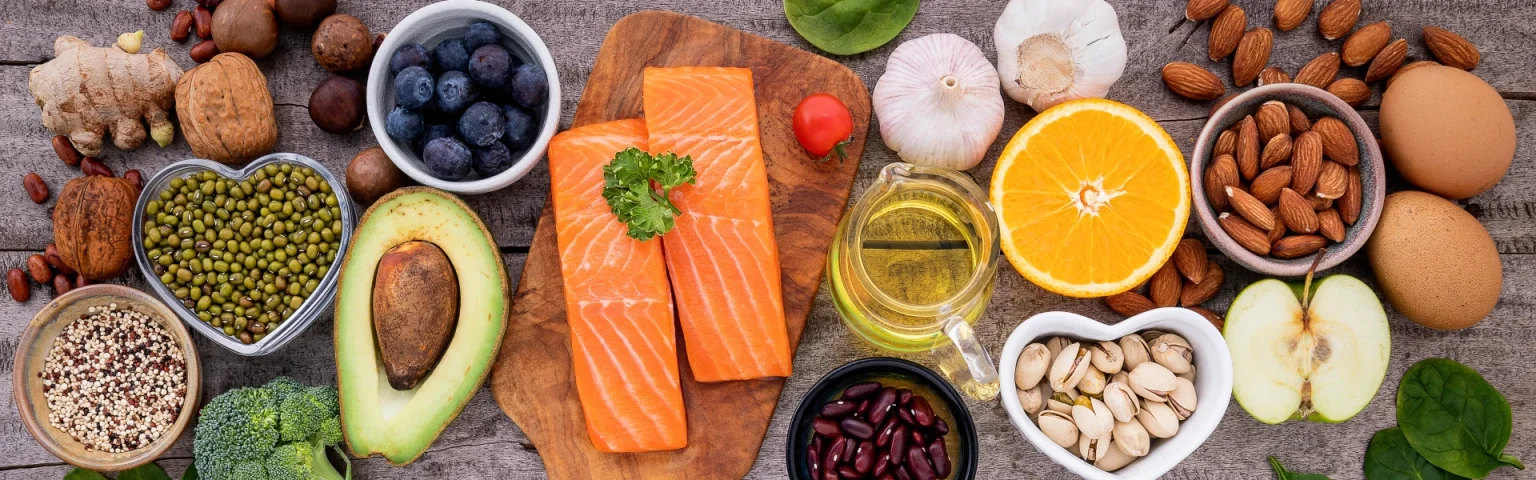
Children’s health and well-being depend on many factors, and nutrition plays an essential role. From the earliest years of life throughout their school years, children’s bodies and brains need the right nutrients to grow, function, and develop properly.
Vitamins and minerals play a particularly important role in this process. They support bone development, nervous system function, immune health, and many other essential bodily functions.
For more information about the role of individual vitamins and minerals, explore the NIH’s vitamins and minerals fact sheets.
Understanding which nutrients children need and where to find them can help families and schools make better everyday food choices.
1. Vitamin D: Essential for Strong Bones and Healthy Muscles
Vitamin D helps the body absorb calcium and maintain healthy bones. It also supports normal muscle function and a healthy immune system.
During childhood and adolescence, when physical development is especially important, getting enough vitamin D is essential.
Where can children get vitamin D?
- Fatty fish, such as sardines, salmon, and mackerel.
- Egg yolks.
- Milk and other foods fortified with vitamin D.
Learn more about vitamin D, its health benefits, and food sources
The body can also produce vitamin D through exposure to sunlight. However, it is important to follow appropriate sun-safety practices to protect children’s skin.
2. Iron: An Important Nutrient for Brain Health and Concentration
Iron is essential for producing hemoglobin, a protein in red blood cells that carries oxygen throughout the body.
It also plays an important role in brain development, cognitive function, and learning.
In children and teenagers, iron deficiency can contribute to tiredness, reduced attention, and, in some cases, anemia.
Where can children get iron?
- Meat and fish.
- Lentils and beans.
- Leafy green vegetables, including spinach.
- Iron-fortified cereals.
Pairing plant-based sources of iron with foods rich in vitamin C, such as oranges, tomatoes, and mangoes, helps the body absorb iron more effectively.
3. Vitamin B12: Essential for a Healthy Nervous System
Vitamin B12 supports normal nervous system function and helps the body produce healthy red blood cells.
It also contributes to several important processes involved in growth and overall health.
Where can children get vitamin B12?
- Fish and seafood.
- Meat and poultry.
- eggs
- Milk and dairy products.
- Certain foods fortified with vitamin B12.
Children following a vegan diet need particular attention when it comes to vitamin B12, as unfortified plant-based foods are not reliable sources of this vitamin.
4. Iodine: Important for Brain Development
Iodine helps the body produce thyroid hormones, which play an essential role in growth, brain development, and metabolism.
Getting enough iodine is particularly important during early childhood, as insufficient intake can interfere with healthy development.
Where can children get iodine?
- Iodized salt.
- Certain types of fish and seafood.
- Milk and some dairy products.
Choosing iodized salt can help provide iodine, but it is important not to increase overall salt consumption. Too much sodium can be harmful to health.
5. Zinc: Supporting Growth and Immune Health
Zinc plays an important role in cell growth, tissue repair, and normal immune system function.
It also contributes to many biological processes that support children’s healthy development.
Where can children get zinc?
- Meat and fish.
- Eggs.
- Beans and lentils.
- Nuts and seeds.
- Whole-grain foods.
A varied and balanced diet can generally provide much of the zinc children need.
6. Vitamin A: Important for Vision and Immune Function
Vitamin A plays an important role in maintaining healthy vision, particularly in low-light conditions. It also supports immune system function and normal cell development.
Where can children get vitamin A?
- Carrots.
- Sweet potatoes.
- Mangos
- Spinach and other leafy green vegetables.
- Eggs and certain dairy products.
Colorful fruits and vegetables are excellent additions to children’s everyday meals.
7. Vitamin C: Supporting Immune Health and Iron Absorption
Vitamin C supports normal immune system function and helps the body produce collagen, a protein essential for healthy skin, bones, and tissues.
It also helps the body absorb iron from plant-based foods.
Where can children get vitamin C?
- Oranges and lemons.
- Mangoes
- Guaves
- Papayas
- Tomatoes and bell peppers.
Fresh fruit is an excellent way to include vitamin C in children’s snacks and school meals.
8. Omega-3 Fatty Acids: Important for Brain Health
Omega-3s are not vitamins, but they are essential fatty acids that support several important functions in the body.
DHA, in particular, is an important component of the brain and retina. It contributes to the normal development and function of these organs.
Where can children get omega-3 fatty acids?
- Sardines.
- Salmon.
- Mackerel
- Chia seeds and flaxseeds.
- Walnuts
You can also learn more about omega-3 fatty acids, their benefits, and dietary sources
Including sources of omega-3 fatty acids in a balanced diet helps provide nutrients that support children’s overall development.
9. Calcium: Essential for Strong Bones and Teeth
Calcium is an essential mineral that helps build and maintain strong bones and teeth. It also plays a role in muscle contraction and nerve signaling.
Calcium needs are particularly important during periods of rapid growth, especially throughout childhood and adolescence.
Where can children get calcium?
- Milk and yogurt.
- Cheese.
- Sardines eaten with their bones.
- Certain green vegetables.
- Calcium-fortified plant-based beverages.
10. Magnesium and Potassium: Supporting Healthy Muscle Function
Both magnesium and potassium help support normal muscle and nervous system function.
Magnesium is also involved in energy production, while potassium helps maintain fluid balance and supports proper muscle function.
Where can children get these minerals?
Magnesium can be found in:
- Nuts and seeds.
- Legumes
- Whole grains.
- Leafy green vegetables.
Potassium can be found in:
- Bananas.
- Avocados.
- Potatoes
- Beans
- Fruits and vegetables.
A Balanced Diet Starts at Home and Continues at School
Understanding which vitamins and minerals children need is an important first step. However, knowing how to include these nutrients in their everyday meals is just as important.
Families play an essential role by providing a variety of nutritious foods and encouraging healthy eating habits from an early age.
Schools also have an important responsibility. A school cafeteria that takes nutritional quality seriously can help create an environment that supports students’ health and well-being.
According to the CDC, healthy school meal programs can improve children’s dietary habits and provide access to nutritious foods during the school day.
Offering fresh fruits, vegetables, protein sources, whole grains, and drinking water helps provide variety and contributes to meeting children’s nutritional needs.
Meals and portion sizes should also be appropriate for each child’s age, individual needs, food allergies, and dietary restrictions.
A Few Helpful Guidelines About Dietary Supplements
Vitamins and minerals play an important role in children’s development. However, before considering dietary supplements, it is generally best to start by offering children a varied and balanced diet suited to their age and nutritional needs.
In certain situations, such as specific dietary patterns or individual nutritional needs, supplements may be helpful. The important thing is to choose an option that is appropriate for each child, with guidance from a healthcare professional.
Parents should also follow recommended dosages, as certain vitamins and minerals, particularly iron and vitamins A and D, can be harmful when consumed in excessive amounts.
Every child is different. With balanced nutrition and appropriate guidance, parents can confidently support their children’s growth and development.

Conclusion: Nourishing Children Today for a Healthier Tomorrow
Vitamins and minerals are much more than simple components of our daily diet. They support many essential functions that help children grow, learn, move, and thrive.
The World Health Organization’s recommendations on healthy diets also emphasize the importance of a varied, balanced, and nutritious diet throughout life
From early childhood through adolescence, every stage of development deserves special attention.
By encouraging a varied diet, providing nutritious school meals, and helping families understand the importance of good nutrition, we can create an environment where children have better opportunities to grow and develop.
Nourishing children today means investing in their health and well-being tomorrow. That’s why we offer ongoing training for staff on culinary topics.